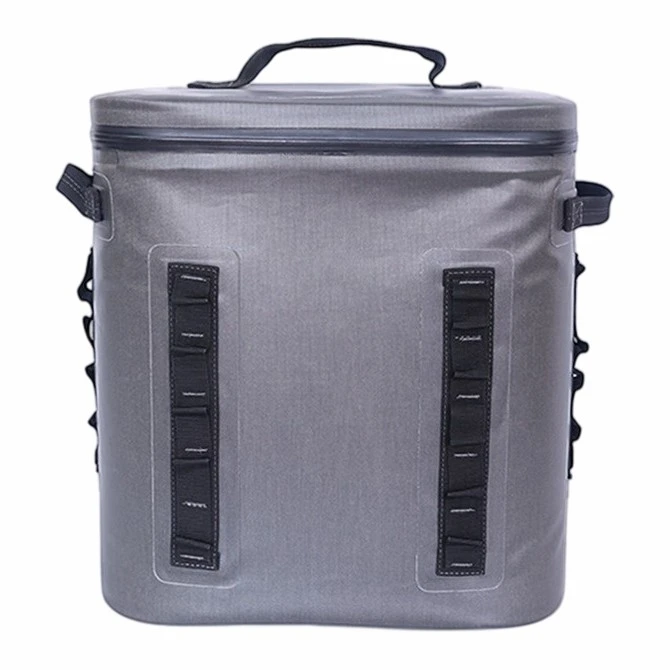
Waterproof bags are primarily constructed from materials such as PVC, TPU, nylon, polyester, and fabrics treated with waterproof coatings. These materials differ in terms of their waterproof performance, flexibility, abrasion resistance, and overall lifespan. PVC is a common choice; it offers excellent water resistance, durability, and sealing capabilities at a relatively low cost, making it well-suited for everyday waterproof backpacks, storage bags, and outdoor gear. TPU, on the other hand, provides superior elasticity, flexibility, and low-temperature resistance-it is highly resistant to cracking from repeated bending and offers good tear strength, making it ideal for waterproof bags that demand higher quality and durability. Nylon and polyester are also frequently used as base fabrics; they are lightweight and strong. When treated with PU, TPU, or other waterproof coatings, these materials gain enhanced water resistance while retaining a degree of softness and breathability, making them suitable for outdoor backpacks, travel bags, and daily commuter bags.
The construction of a waterproof bag also requires various auxiliary materials and components to ensure structural integrity and effective sealing. For instance, openings are typically secured using waterproof zippers, roll-top closures, or specialized buckles to minimize the risk of water ingress. Seams are often reinforced through high-frequency welding, heat-press welding, or the application of waterproof seam tape to ensure a watertight seal. Some designs incorporate plastic buckles, metal zippers, reinforced webbing, and abrasion-resistant base fabrics to improve load-bearing capacity and stability. For bags intended for extended outdoor use, particular attention is paid to the strength of shoulder straps, handles, and the base material to prevent damage from frequent pulling or contact with rough terrain. In the manufacturing process, the selection of materials must be carefully balanced based on the intended use, production costs, and the required waterproof rating. Only by thoughtfully integrating the outer fabric, internal structure, and sealing components can one produce a waterproof bag that effectively combines water resistance, durability, and user comfort.